The Last Fifty Metres: Planning a Timber Delivery When the Wagon Stops Short
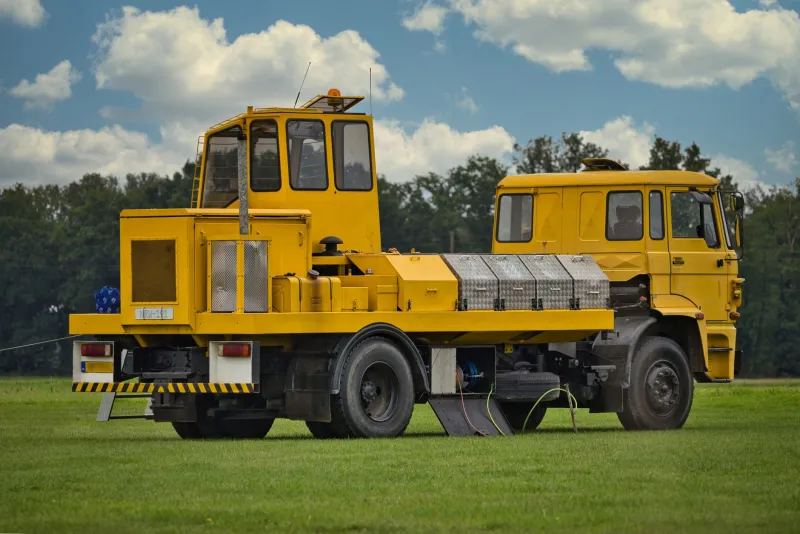
A wagon pulls up at the end of the road, the driver looks down the alley, and your phone rings. That call is nearly always the same one: the lorry can't get in, the pallet is on the pavement, and someone is standing in the rain wondering whether to start carrying 4.8-metre boards by hand.
The delivery itself is rarely the problem. The last fifty metres usually are. So it's worth planning that stretch as carefully as you plan the joist spacing.
Measure the route, not just the room
Most people measure where the timber is going and forget how it's meant to get there. Stand at the kerb and work backwards.
Width is the first number that matters. Measure the narrowest point — gateposts, the pinch between a wall and a hedge, the gap past a parked van — not the average width of the drive. A typical 7.5-tonne flatbed is around 2.3 metres across the body, and mirrors and tail-lifts add to that. If your gap is 2.5 metres with a shrub leaning into it, you have a problem, not a delivery.
Height catches people out too. Low branches, a cable stay, the arch over a shared entry. Then there's surface: gravel, a slope, block paving on a soft base, a lawn that was firm in June and is a sponge in November. A loaded wagon is heavy, and a rutted drive is an expensive conversation.
One trick worth borrowing from the trade: cut a batten to the width of your tightest gap and keep it in the van. It's quicker than a tape measure held at arm's length, and it settles the argument with a driver in about four seconds.
The things nobody remembers to check
Walk the route as if you were the driver. Overhanging buddleia that will scratch a cab. A dropped kerb that isn't actually dropped. A manhole cover that won't take a wheel. The shared alley gate that opens inwards, or the neighbour who parks across it every Friday afternoon.
Then think about the destination. Where will the stack actually sit? Not on the lawn, not over the drain, not blocking the only door into the house. A pallet wants a firm, flat, well-drained spot, and you want it identified before the wagon arrives rather than after.
Timing is part of access as well. What is the street like at eight in the morning compared with two in the afternoon? Is it bin day? School run? A residents' bay with a two-hour limit? A wagon that turns up at the wrong moment ends up double-parked and hurried, and hurried deliveries are how corners get shaved.
Handballing, honestly costed
Sometimes carrying it in is the only answer, so it's worth knowing the arithmetic before you agree to it.
A 4.8-metre length of treated 47x100 carcassing weighs somewhere around 24 kilos. Manageable. Multiply that by sixty and you have a tonne and a half to shift in the rain, one board at a time, with a turn every few metres. Sheet goods are awkward in a different way — an 18mm OSB3 board is roughly 34 kilos of sail area with sharp corners.
Two people can move a modest order in twenty or thirty minutes. A large one takes an hour, and takes it out of your back. Drivers are usually on waiting time once they're past their slot, often £30 to £60 an hour, and a handball surcharge of £20 to £50 is common on top. Ask about both when you order. It's considerably cheaper than finding them on the invoice.
Split it, cut it, or bring it in stages
Long lengths are the natural enemy of a tight turn, and a 4.8 is four times the nuisance of a 2.4 in a narrow alley. If the design allows shorter sections, use them — but check with whoever specified the job first. Joist spans and rafter lengths aren't up for negotiation simply to suit your driveway.
A yard cutting list is the other option. Boards cut to length handle far more easily, and a good yard will cut accurately given clear numbers. Two caveats: treated cut ends want a brush of end-grain preservative, and cut-to-size timber generally isn't returnable. Measure twice, as the sign above the saw says.
Staging the order works well on bigger jobs. Frame first, decking later. Each drop stays small enough to handle, the cost spreads out, and less timber sits about in the weather waiting its turn.
Brief the yard like you mean it
Vague notes are how pallets end up stranded. Photos beat paragraphs every time — send the street view of the entrance, the gate, the drop point, and anything odd on the way in.
Then be specific in writing. State the largest vehicle that can realistically get in, whether a crane is possible (usually not, without space for the outriggers), whether you want a tail-lift, and whether you'll be handballing yourself. Add a mobile number that will actually be answered, ask for a call thirty minutes before arrival, and flag any permit or parking restriction that applies on the day.
The bit at the kerb
Once the timber is on the pavement, it's your timber and your pavement. Check the tally, look for split ends and damaged sheets, and note anything wrong on the paperwork before you sign. Then get it inside your boundary smartly. A footway has to stay passable — in some places that's a permit scheme, everywhere it's common sense and neighbours.
A short pre-delivery checklist
- Narrowest width and lowest height on the route, measured rather than guessed
- Surface and slope checked, ideally in the wet
- Drop point clear, firm and inside your boundary
- Vehicle size, crane or tail-lift agreed in writing
- Cutting list done and lengths checked against the design
- Handball time, waiting charges and surcharges confirmed
- Photos sent, contact number given, call-ahead requested
The whole lot takes twenty minutes and a phone call. Considerably cheaper than a morning spent watching a pallet sit in the road.