Walsh Woodyard Good timber, straight talk, local know-how.

Walsh Woodyard

Good timber, straight talk, local know-how.

Latest Articles

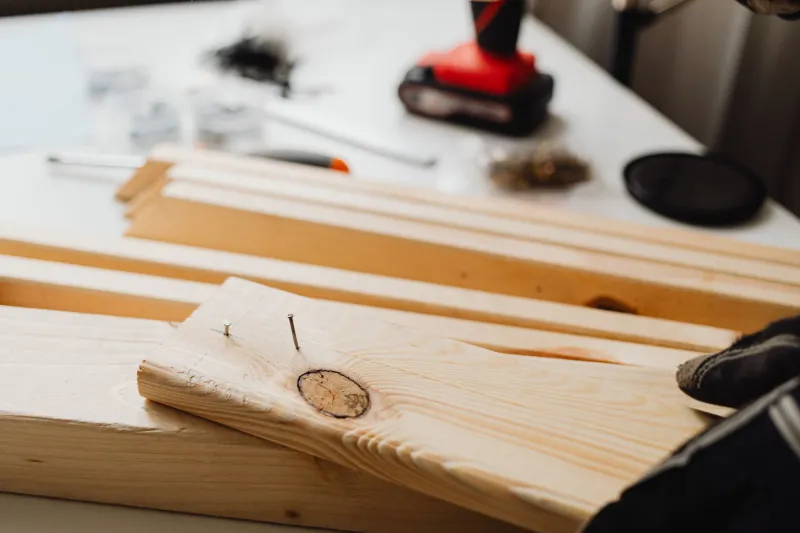
The Fixing Is Half the Job: Choosing Nails and Screws That Outlast the Timber
Buying Advice

The Fixing Is Half the Job: Choosing Nails and Screws That Outlast the Timber

Fixings are the cheapest line on most timber jobs and the most common reason for a callback. Here's how to match bright, galvanised, stainless and coated metal to fences, decks, cladding and shed frames without paying for protection you don't need.

A Gate Is a System, Not a Slab: Getting Bracing, Hinges and Movement Allowance Right
Buying Advice

A Gate Is a System, Not a Slab: Getting Bracing, Hinges and Movement Allowance Right

Most garden gates don't fail because the timber was poor. They fail because the post, frame, brace and hardware were chosen as separate parts rather than one moving system. Here's what to get right before the boards leave the yard.

Before the Yard Goes Quiet: A Timber Ordering Calendar for Christmas
Buying Advice

Before the Yard Goes Quiet: A Timber Ordering Calendar for Christmas

Timber lead times stretch in December, and the yard calendar matters as much as the price list. Here is how to work backwards from Christmas without panic-buying wet boards in the middle of the month.

The Breathing Room Behind the Boards: Getting Ventilation Right on External Timber
Timber Care

The Breathing Room Behind the Boards: Getting Ventilation Right on External Timber

Trapping damp against a board is one of the quickest ways to shorten its life. Here’s how to build a proper air gap behind cladding, shed walls, fence rails and linings — with battens, spacers and fixings that let UK weather pass through instead of settling in.

The Pen Is the Point of No Return: Checking a Timber Delivery Before You Sign
Buying Advice

The Pen Is the Point of No Return: Checking a Timber Delivery Before You Sign

The driver is already holding out the pen, and the kettle's boiled. But those ten minutes at the tailgate are where timber disputes are won or lost — not at the trade counter a fortnight later. Here's what to count, prod and photograph before your name goes on the line.

Shelves That Stay Flat: Matching Timber Depth to What You'll Actually Pile On It
Buying Advice

Shelves That Stay Flat: Matching Timber Depth to What You'll Actually Pile On It

A shelf is a beam, even when it looks like a simple plank. Here is how to choose common UK timber sizes, bracket spacing and board material so shelves stay flat under books, tools and kitchen clutter — and when plywood or a deeper section is the better buy.

Studwork Timber, Straight Up: CLS, C16 and the '4x2' That Arrives Smaller
Buying Advice

Studwork Timber, Straight Up: CLS, C16 and the '4x2' That Arrives Smaller

CLS, C16 and the trusty 4x2 get talked about as if they are interchangeable. They are not. Here is how to specify studwork timber that arrives straight, grades honestly and suits the wall you are actually building.

Tap, Sniff, Heft: Judging a Board Before the Meter Comes Out
Timber Care

Tap, Sniff, Heft: Judging a Board Before the Meter Comes Out

A moisture meter is a useful tool, but it is not the first thing a woodyard hand reaches for. Here is how tapping, smell and weight can tell you whether a board is sound, damp or hiding a surprise — and where those low-tech checks stop.

The Back-Rack Bargains: How to Buy Shorts, Seconds and Offcuts Without Getting Stung
Buying Advice

The Back-Rack Bargains: How to Buy Shorts, Seconds and Offcuts Without Getting Stung

The back of a woodyard is where the honest bargains live — and where a careless buyer can pick up a pile of future firewood. Here is what shorts, seconds and offcuts actually mean, how to ask for them, and how to tell a deal from a dud.

Cupped, Bowed or Just Twisted: How to Read a Board Before You Buy It
Buying Advice

Cupped, Bowed or Just Twisted: How to Read a Board Before You Buy It

Five minutes at the rack saves five months of fighting a board that was never going to sit flat. Here is what to look at, in what order, and which defects actually matter for the job you have in mind.

The Mileage Question: What a Board's Origin Really Tells You
Timber Care

The Mileage Question: What a Board's Origin Really Tells You

Local is one of the most overworked words in timber. Here is what British grown, imported and reclaimed stock actually mean in practice, how each behaves once it is on your site, and how to choose without buying the brochure.

The Hidden Half of a Deck: Joists, Spacing and Keeping Water Moving
Timber Care

The Hidden Half of a Deck: Joists, Spacing and Keeping Water Moving

The boards get the attention, but the substructure decides whether a deck stays solid or turns into a wobbly, soggy problem. Here is how to think about joists, bearers, gaps and airflow for a British garden.

Follow the Lines: How Timber Grain Decides What a Board Can Do
Buying Advice

Follow the Lines: How Timber Grain Decides What a Board Can Do

Grain is not decoration. It tells you how a board was cut, which way it wants to move and where it will fight back when you saw, screw or plane it. Here is how to read it at the woodyard and pick the right board for shelves, frames and joinery.

The Woodpile You Paid For: Making Leftover Timber Earn Its Keep
Timber Care

The Woodpile You Paid For: Making Leftover Timber Earn Its Keep

Every job leaves a pile of usable offcuts, and every pile is a small test of judgement. Here’s how to sort, store and reuse leftover timber so it becomes a resource rather than a damp corner of the garage.

The Millimetre Matters: Ordering Timber by What Actually Arrives
Buying Advice

The Millimetre Matters: Ordering Timber by What Actually Arrives

A 4x2 is not 4 inches by 2 inches, and a 100x50 might not finish at 100x50 either. Here’s the straight supplier’s guide to nominal sizes, planing allowances and ordering timber that fits first time.

The Wet Line: Why UK Fence Posts Fail at Ground Level
Timber Care

The Wet Line: Why UK Fence Posts Fail at Ground Level

Most UK fence posts do not fail in a dramatic way. They rot quietly at the wet line just above the soil, where water, air and soil life do their worst. Here is what to look for before you buy posts that only look heavy duty.

What Does Treated Timber Actually Mean? Reading Labels Without the Guesswork
Buying Advice

What Does Treated Timber Actually Mean? Reading Labels Without the Guesswork

Treated timber can mean a properly specified ground-contact post or a lightly dipped batten that will not last a wet winter. This guide explains use classes, pressure treatment, end grain and the questions worth asking before you pay.

Before the Rain Settles In: A Woodyard Guide to Winter Timber Storage
Timber Care

Before the Rain Settles In: A Woodyard Guide to Winter Timber Storage

Damp does not ruin timber overnight. It does it slowly, quietly and expensively. Here is how we would stack, cover and check stock before the wet UK winter gets into it.

Buying Advice

Five Jobs Where the Cheapest Board Is the Most Expensive Choice

Budget timber has its place, but these five jobs are where saving a few quid on boards tends to come back as warped floors, rotten cladding and repeat labour. A fair look at when to upgrade.