The Woodpile You Paid For: Making Leftover Timber Earn Its Keep
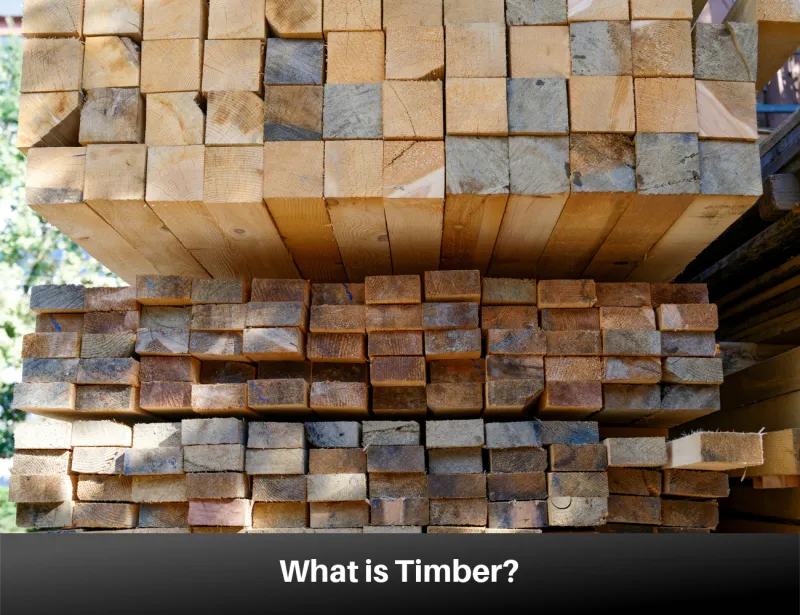
Photo: timber offcuts stored in labelled wooden rack workshop UK, via cdn.homedit.com
Most of us have done it: sweep the bench, look at a pile of short boards, and decide it is easier to bag them than sort them. Then a few weeks later you need a 400mm batten for a shelf cleat, buy a new length, and quietly ignore the fact that you already paid for that timber once.
Offcuts are not one material. They are three: useful stock, future firewood and waste. The trick is being honest at the point of sorting, not six months later when the pile has gone soft. A few rules of thumb help.
Start with an honest sort
Keep a piece if it is sound, straight and long enough to do a real job: a cleat, a shelf bracket, a jig, a repair patch, a spacer. A box of 100–300mm pieces is genuinely useful for packers and test cuts. Under about 150mm, untreated timber becomes kindling; treated, painted or engineered board becomes waste. Do not keep rot because it was expensive. That is not thrift, it is storage with extra steps.
Separate treated from untreated, and keep sheet goods flat. A warped piece of ply is not going to flatten itself once it has been leaning against a wall for a month.
A rack that tells you what you have got
Storage is where good intentions fail. A plastic crate in a damp garage is not storage; it is a slow composting system. Timber wants air, support and a bit of order. A simple rack with bays by length works better than one deep pile. Try under 300mm, 300–600mm, 600–1200mm, and over 1200mm. Or sort by type: treated carcassing, untreated softwood, hardwood, sheet goods.
Label the end grain with size, species and date if you can. Pencil or chalk is enough. Keep the rack off the floor on bearers, leave an air gap at the wall, and do not overfill it. If you cannot see what you have got, you will buy more of it.
At Walsh Woodyard we see plenty of garages with racks that are really just shelves. Vertical storage saves floor space and makes short lengths easier to pull out. A few labelled bays turn a scrap heap into a timber store.
The offcut jobs that actually pay
Small builds are where offcuts earn their keep. Workshop storage is the obvious one: cleats, shelf supports, tool racks, jigs and templates. A 600mm length of 4x2 is a shelf bracket waiting to happen. Short hardwood pieces become handles, wedges or mallets. Sheet offcuts become drawer bases, router jigs and templates.
In the garden, planters, cold frames, boot racks and compost-bin slats can all come from stock you already own. Be careful with treated timber around food-growing; line planters if you are unsure, and do not use old creosoted or painted timber near vegetables. For repairs, keep a few lengths of matching fence rail and shed batten. The day a storm takes a panel out, you will be glad of them.
When it is firewood, and when it is not
Untreated, unpainted natural timber can be seasoned and burned if you have a suitable stove or boiler and local rules allow it. Treated, painted, varnished, MDF, ply and chipboard should not go into a domestic stove. Glues and finishes do not belong in the flue. Take those to a recycling centre or follow your council’s disposal advice.
Firewood is not a failure. It is a useful end use for clean, untreated offcuts. The problem is calling a rotten board firewood to avoid a trip to the tip. Be honest: if it is soft, wet or full of nails, it is waste or recycling, not fuel.
Buy less next time
The best offcut is the one you never create. A proper cut list, a quick check of what is already on the rack, and a realistic allowance for saw kerf will cut the pile down. Order for the job plus a sensible margin, not a whole extra length because it feels safer. If you are planning several small jobs, ask the woodyard whether they can supply a mixed pack or cut lengths to suit.
At Walsh Woodyard we would rather you left with the right amount than a garage full of maybes. The point is not saving every scrap. It is knowing which scraps are worth saving. A labelled rack and a ten-minute sort turn that pile into a genuine resource, and the next time you need a cleat you will know exactly where it is.